Coated Steel Coils in Canada: Types, Performance Standards, and How to Choose the Right Supplier
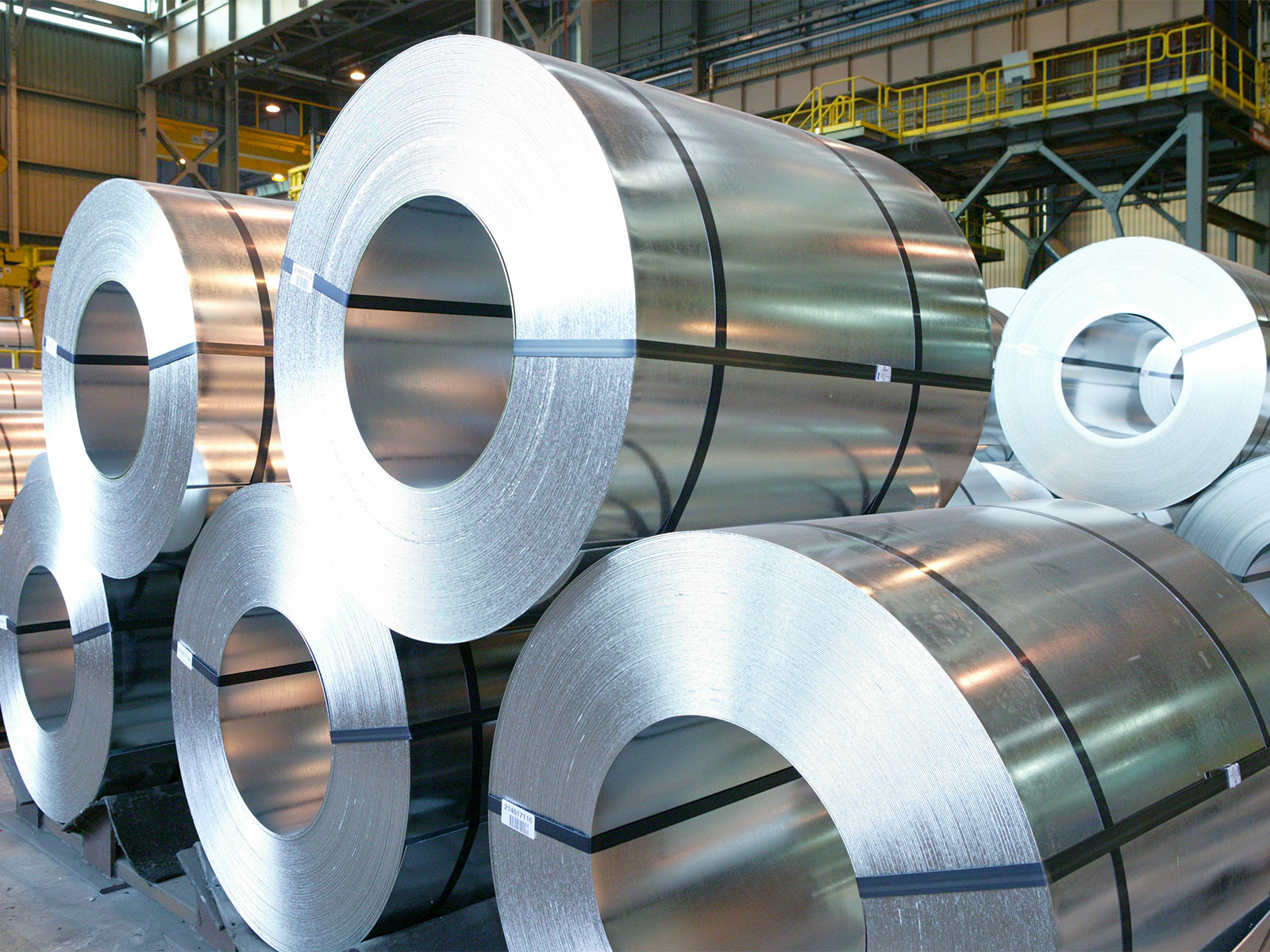
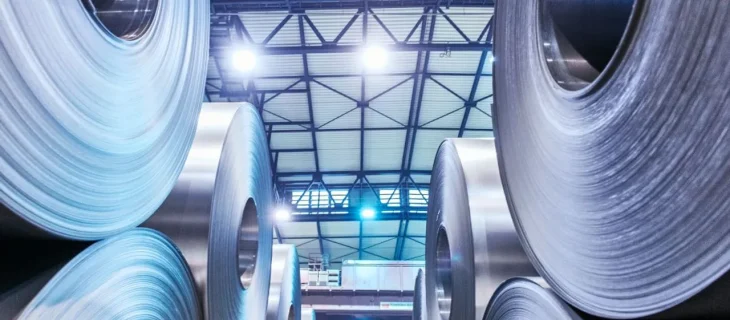
In Canada’s construction, roofing, agricultural, and industrial sectors, coated steel coils play a foundational role. Whether used as structural components, base material for further processing, or corrosion-protected building elements, coated coils are a critical raw material in modern metal manufacturing.
However, not all coated steel coils are equal. Substrate chemistry, coating mass, mechanical properties, and compliance with standards directly impact long-term durability — especially in Canada’s demanding climate.
At Armotrain.ca, we supply premium coated steel coils engineered for performance, processing stability, and reliable B2B supply across Canada.
This article provides a comprehensive overview of:
- What coated steel coils are
- Types of metallic coatings
- Performance characteristics
- ASTM, CSA, and EN standards
- Canadian climate considerations
- Key factors when selecting a supplier
What Are Coated Steel Coils?
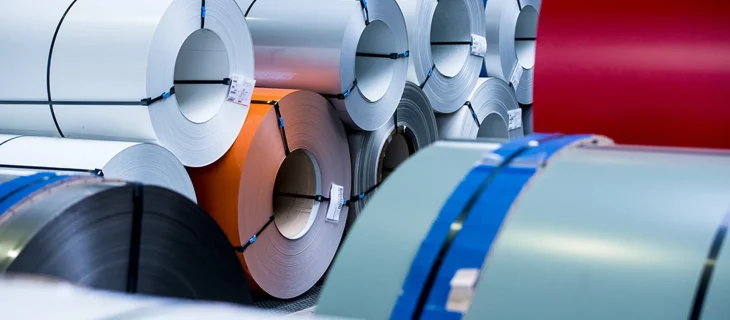
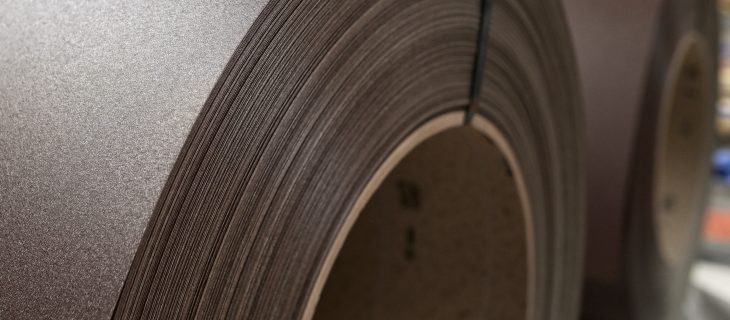
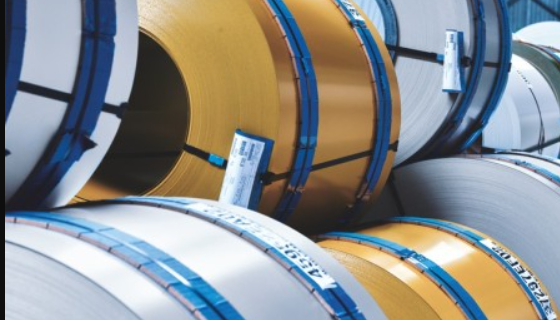
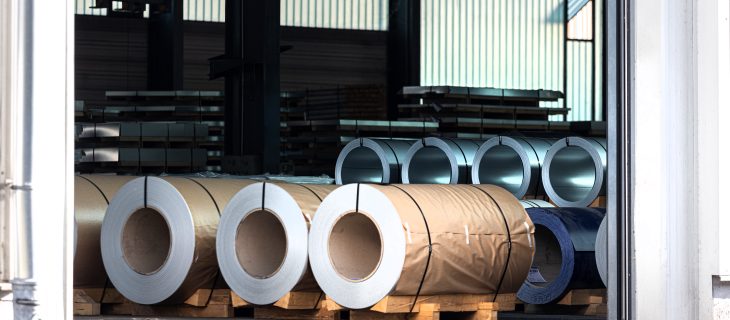
Coated steel coils refer to steel coils protected by a metallic corrosion-resistant layer. The coating is applied during the steel production process to extend service life and prevent oxidation.
The most common types of metallic coatings include:
- GI (Galvanized Steel) – zinc-coated steel
- GL (Galvalume) – aluminum-zinc alloy coating
- ZM (Zinc-Magnesium) – advanced alloy coating
The term “coated coils” generally refers to metallic-coated steel without an applied paint system. These products are widely used as base material for roofing, framing, industrial fabrication, and infrastructure projects.
Types of Coated Steel Coils
1. Galvanized Steel Coils (GI)
Galvanized coated steel coils use a zinc coating to provide sacrificial corrosion protection. When exposed to moisture, zinc oxidizes before the steel substrate, protecting the base metal.
Typical coating mass examples:
- Z100
- Z140
- Z225
- Z275
Galvanized coated coils are commonly used in:
- Structural components
- Agricultural buildings
- Secondary framing systems
- Ventilation systems and fabrication
GI remains a cost-effective solution for moderate exposure conditions.
2. Galvalume Coated Coils (GL)
Galvalume-coated steel coils use an aluminum-zinc alloy (typically 55% aluminum, 43–44% zinc, small silicon addition).
Typical coating mass:
- AZ150
- AZ185
Benefits include:
- Improved long-term corrosion resistance
- Better heat reflectivity
- Enhanced performance in high-temperature environments
Galvalume coated coils are widely used for roofing substrates and exposed metal construction systems.
3. Zinc-Magnesium Coated Steel Coils (ZM)
ZM coatings represent advanced alloy technology that improves cut-edge corrosion resistance and overall durability.
Typical coating mass:
- ZM120–ZM175
Advantages:
- Enhanced protection at exposed edges
- Higher corrosion resistance at lower coating mass
- Improved performance in aggressive environments
For Canadian applications, ZM coated steel coils are increasingly considered for projects requiring extended lifespan.
Technical Performance Characteristics
When evaluating coated steel coils, manufacturers should review:
- Coating mass (g/m²)
- Base metal thickness
- Yield strength
- Tensile strength
- Elongation
- Surface quality
Typical mechanical ranges:
- Yield strength: 230–350 MPa
- Tensile strength: 300–550 MPa
- Thickness range (roofing applications): 0.40–0.65 mm (29–24 gauge)
Consistency in these parameters ensures predictable forming behavior and structural integrity.
CSA and ASTM Standards for Coated Coils
Compliance with recognized standards ensures quality control.
Key ASTM standards:
- ASTM A653 / A653M – Zinc-coated (galvanized) steel sheet
- ASTM A792 / A792M – Aluminum-zinc alloy coated sheet
Relevant CSA equivalents:
- CSA A653
- CSA A792
When sourcing coated steel coils in Canada, verifying compliance with ASTM specifications is essential for structural and roofing applications.
Canadian Climate Considerations
Canada presents multiple environmental stress factors:
- Freeze–thaw cycles
- Snow accumulation
- Ice formation
- Coastal salt spray
- Industrial pollutants
- UV exposure
Coated coils must be selected according to corrosion exposure category. In higher-risk zones (coastal or industrial), heavier coating mass or advanced alloy systems (GL or ZM) are recommended.
Selecting insufficient coating mass can reduce lifespan and increase maintenance costs.
Applications of Coated Steel Coils
Coated steel coils are used in:
- Structural framing systems
- Agricultural facilities
- Industrial buildings
- Metal decking
- Roofing substrate for further coating
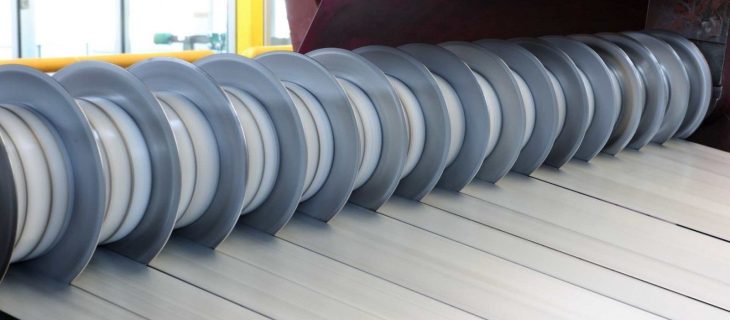
- Manufacturing components
Because coated coils provide metallic corrosion protection without decorative finish, they are ideal for non-visible or further-processed applications.
What to Look for in a Supplier of Coated Steel Coils
When selecting a Canadian supplier of coated coils, consider:
- Consistent coating mass control
- Verified ASTM compliance
- Stable mechanical properties
- Inventory availability
- Reliable delivery timelines
- Technical support
Inconsistent coated steel coils can result in forming difficulties, structural concerns, or premature corrosion.
Why Manufacturers Choose Armotrain.ca
At Armotrain, we supply premium coated steel coils selected for:
✔ Verified substrate quality
✔ Controlled coating mass
✔ Mechanical consistency
✔ Inventory-based supply
✔ Reliable distribution across Canada
We understand that coated coils are often the starting point for critical manufacturing processes. That’s why we focus on stable sourcing and predictable performance.
Final Thoughts
Coated steel coils are a fundamental material in Canada’s metal construction industry. Selecting the right coating system, coating mass, and supplier directly impacts durability, compliance, and long-term project success.
Whether you require galvanized, Galvalume, or zinc-magnesium coated coils, Armotrain.ca provides technically aligned B2B solutions engineered for Canadian conditions.
Contact Armotrain to discuss your coated steel coil specifications and supply requirements.